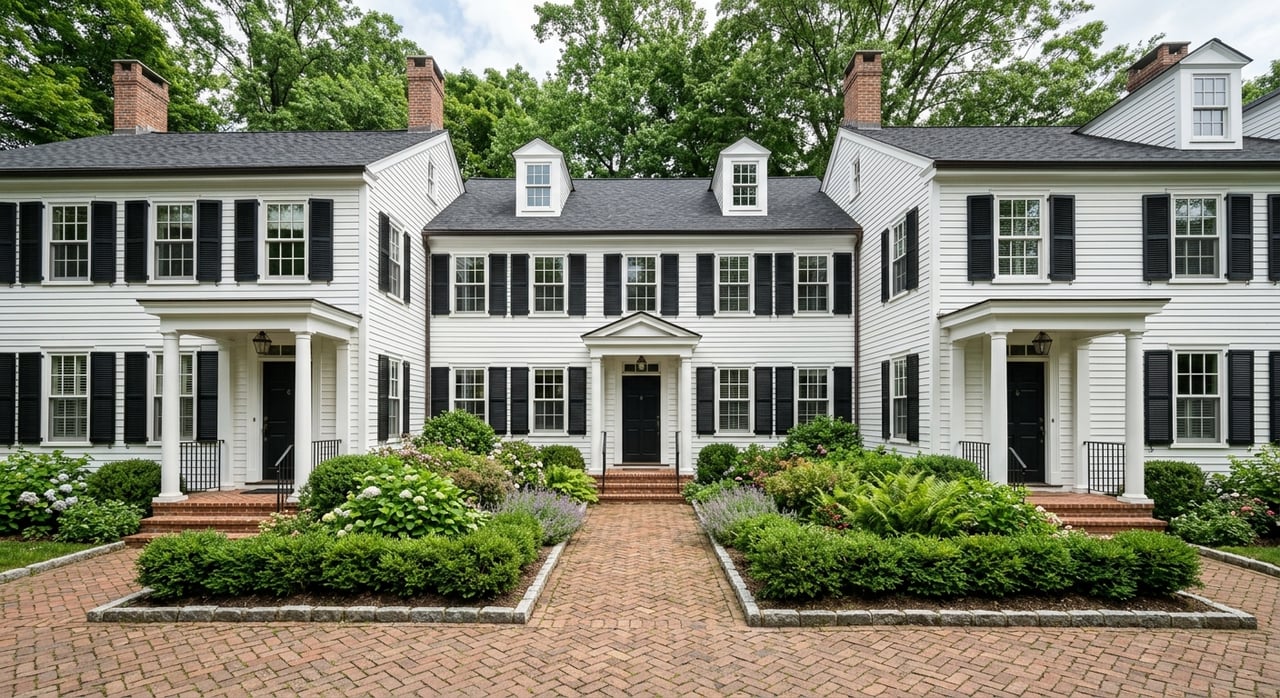
Are you torn between the ease of a condo and the extra room of a townhome in Raleigh-Durham? You are not alone. For many buyers, especially relocators, downsizers, and anyone who wants less upkeep, attached living can be a smart way to balance convenience, location, and budget. The key is understanding what you are actually buying in North Carolina and how that choice may affect your monthly costs, maintenance, and future resale. Let’s dive in.
What condo and townhome living means
In North Carolina, a condo and a planned community are not the same ownership structure. Under state law, a condominium means you own your unit separately while sharing ownership of the common property with other owners. A planned community is real estate where owners are required by declaration to pay for expenses tied to common property.
That distinction matters because the word townhome describes a building style, not the legal setup. A townhome may be part of a planned community, or it may be structured differently. If you want to know who handles roofs, siding, landscaping, or shared spaces, you need to review the declaration, bylaws, and covenants rather than rely on the label alone.
North Carolina’s Department of Justice recommends reviewing HOA documents carefully before you buy. That includes understanding the rules, what fees cover, how those fees may change, and whether the board must approve exterior or architectural changes.
Why buyers choose attached living
For many Raleigh-Durham buyers, condos and townhomes offer a practical middle ground. You may get a more central location, a lower-maintenance lifestyle, and a lower entry price than a detached home in the same general area.
That trade-off can be especially appealing if you travel often, are moving to the Triangle for work, or want to simplify your day-to-day home care. Instead of taking on a full yard and every exterior repair yourself, you may be able to shift some of that responsibility to an association.
Newer communities across the Triangle also reinforce the appeal of convenience. Local planning and development sources point to ongoing mixed-use growth in places like downtown Raleigh, downtown Durham, central Cary, and areas tied to major employment centers, where residential space often sits near retail, dining, parking, and gathering spaces.
Compare maintenance and insurance
Condo maintenance basics
Condos usually offer the most lock-and-leave convenience. In many condo communities, the association is responsible for maintaining and repairing common elements, while you are responsible for the interior of your unit.
According to the North Carolina Department of Insurance, condo associations typically insure the structure and collective property. The unit owner usually insures the unit and personal property, with limited coverage for wall, floor, and ceiling coverings and alterations. The same source notes that a condo owner does not own the outside of the structure.
Townhome maintenance basics
Townhomes often feel more like a traditional house because they may offer more square footage and a more private layout. At the same time, they can still reduce yard work and exterior upkeep compared with a detached home.
Insurance and maintenance can differ more in a townhome than in a condo. The North Carolina Department of Insurance notes that a homeowners comprehensive form may be used to insure a townhouse, which reflects that exterior responsibility may be handled differently depending on the community. Again, the governing documents are what matter most.
What monthly dues may cover
Monthly dues can cover a wide range of items, or only a few. That is why one attached home may feel far more hands-off than another, even if both are described in similar ways.
Before you buy, compare whether dues include:
- Roof and exterior maintenance
- Siding or shared structural elements
- Landscaping
- Common area maintenance
- Amenities
- Reserve funding
- Insurance on shared portions of the property
A lower monthly fee is not always the better value. If dues are low because little is covered, you may carry more direct responsibility for upkeep and future costs.
Where attached homes are common
In Raleigh-Durham, condos and townhomes are most commonly found in downtown cores, mixed-use areas, and employment corridors rather than in conventional detached-home suburbs. Raleigh’s development rules include downtown and mixed-use districts, and the city describes downtown as a place to live, work, and play.
Durham planning materials similarly emphasize mixed-use, transit-oriented, and higher-density development. Downtown Durham marketing also highlights condos and lofts near shopping, dining, and entertainment. In practical terms, buyers often find the strongest concentration of attached housing near central Raleigh, downtown Durham, central Cary, and areas connected to RTP.
This is less about a formal neighborhood ranking and more about a location pattern. If you want a condo or townhome, your search will usually be most productive in places shaped by mixed-use growth and close-to-work convenience.
What current pricing suggests
Attached homes often attract buyers because of the price gap compared with detached homes. In Raleigh, Redfin reports median listing prices of $321K for townhomes and $340K for condos, compared with a citywide median sale price of about $420K in March 2026.
In Durham, Redfin reports median listing prices of $365K for townhomes and $349K for condos, while the citywide median sale price was about $425K. That spread helps explain why many buyers look to attached living when they want access to stronger locations without stepping up to detached-home pricing.
For relocating buyers, that can be a meaningful advantage. You may be able to prioritize commute, convenience, and lifestyle while keeping your purchase price below the typical detached-home benchmark.
How resale can differ
If future resale is part of your decision, attached homes deserve a closer look. Recent market data suggests Raleigh’s attached segment has been softer than the detached market.
Homes.com reported that in March 2026, Raleigh’s median home price rose 0.6% year over year. Over the same period, townhome prices fell 5.3% and condo prices fell 9.5%. It also reported that condo inventory rose 53.1% and townhome inventory rose 26.5%, which means buyers had more options and sellers faced more competition.
That does not mean condos or townhomes are poor investments. It means resale can be more sensitive to specific factors such as HOA health, monthly dues, parking, storage, updates, and location.
Current listing data also points to a slightly longer timeline for some attached homes. Raleigh listing pages showed median market times of 57 days for condos and 49 days for townhomes. Durham showed 66 days for condos and 56 days for townhomes.
In many cases, the strongest resale candidates share a few traits:
- A location near downtown or major employment hubs
- Reasonable monthly dues
- Well-maintained common areas
- A floor plan that fits local buyer demand
- Clear maintenance responsibilities
If you are choosing between two similar homes, those details can matter just as much as square footage.
Questions to ask before you buy
A condo or townhome can be a great fit, but only if the ownership structure matches your expectations. Before you move forward, slow down and review the practical side of the property.
Ask these questions:
- Is this legally a condominium or part of a planned community?
- What exactly do the HOA dues cover?
- Who maintains the roof, siding, windows, and exterior areas?
- What insurance will you need as the owner?
- Are there reserve funds for future repairs?
- What approvals are needed for exterior or design changes?
- How do current dues compare with the services provided?
- How has the attached market been performing in this specific area?
These questions can help you avoid surprises and compare options more clearly. They are also the kind of details that shape your long-term satisfaction with the home.
Which option may fit you best
If you want the simplest exterior maintenance and an easy lock-and-leave setup, a condo may be the better fit. If you want more room and a more house-like layout while still reducing maintenance compared with a detached home, a townhome may give you the balance you want.
The right answer usually depends on how you live. It also depends on the documents behind the property, not just the photos or listing description.
In a market like Raleigh-Durham, attached living can open doors to convenience, location, and a more manageable ownership experience. If you want help weighing the trade-offs in the Triangle, Brooke Miller Gelhaus offers thoughtful, data-informed guidance tailored to your goals.
FAQs
What is the difference between a condo and a townhome in Raleigh-Durham?
- In North Carolina, a condo is a legal ownership structure, while a townhome is a building style. To understand maintenance and ownership responsibilities, you need to review the declaration, bylaws, and covenants.
Are condo HOA fees in Raleigh worth it?
- They can be, depending on what they cover. In some communities, dues may include exterior maintenance, common area care, insurance on shared property, amenities, and reserve funding.
Do townhomes in Raleigh-Durham usually have less maintenance than detached homes?
- Often yes, but the amount varies by community. Many townhomes reduce yard and exterior work compared with detached homes, though the governing documents determine the exact responsibilities.
Are condos or townhomes more affordable in Raleigh?
- Recent listing data shows both are often priced below Raleigh’s citywide median sale price. In March 2026, median listing prices were reported at $321K for townhomes and $340K for condos, compared with about $420K citywide.
Do condos resell slower than townhomes in Raleigh-Durham?
- Current listing data suggests condos can take slightly longer to sell in some submarkets. Reported median market times were 57 days for Raleigh condos versus 49 for Raleigh townhomes, and 66 days for Durham condos versus 56 for Durham townhomes.
What documents should you review before buying a condo or townhome in North Carolina?
- You should review the HOA or association bylaws, covenants, declarations, fee structure, and any rules about maintenance responsibilities or approval requirements for changes to the property.