Downtown Chapel Hill: Where History, Culture, and University Life Converge
Some places earn their reputation over decades. Downtown Chapel Hill has been earning its for over two centuries.
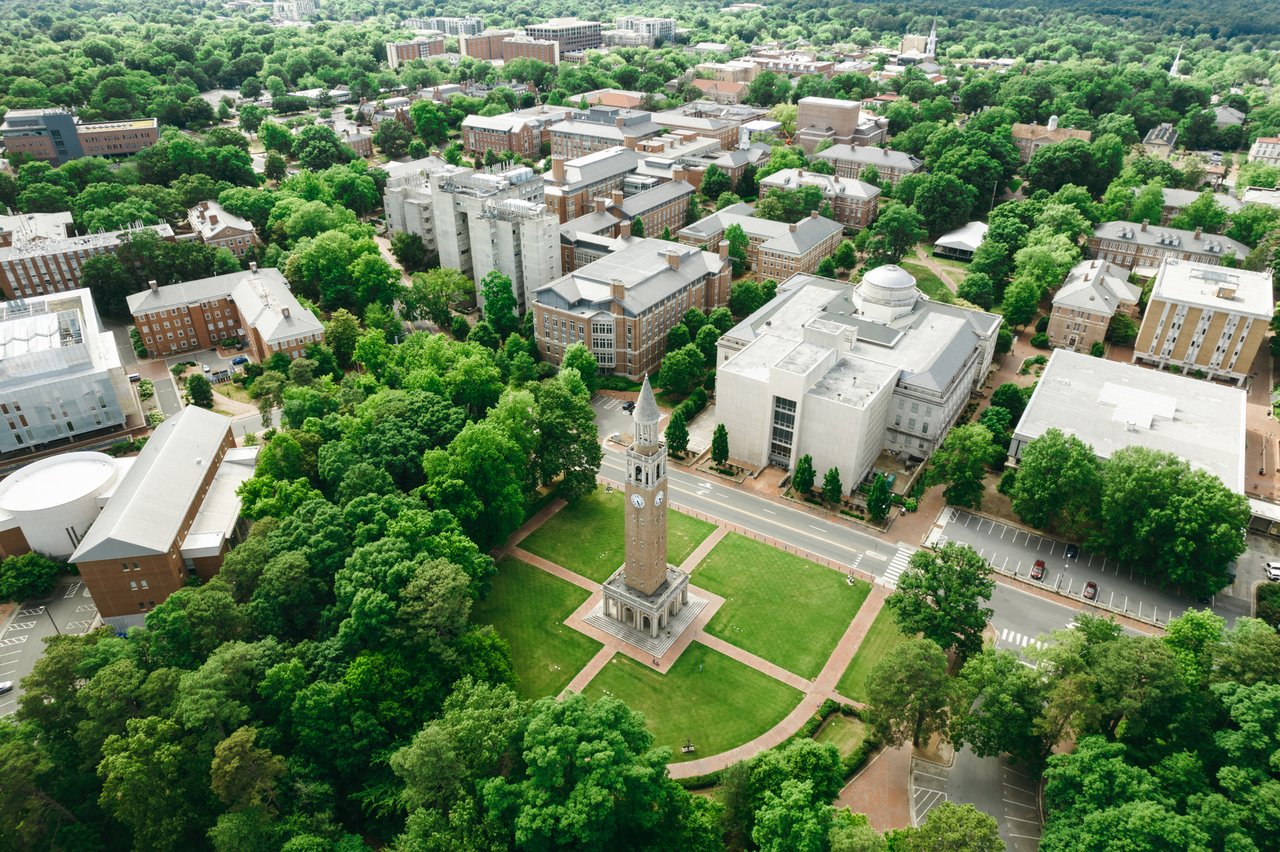
Chapel Hill was founded in 1783 on a humble dirt road that ran through the trees by the future site of the University of North Carolina — and that road, named Franklin Street in honor of Benjamin Franklin's passion for educating youth, has been the beating heart of the community ever since. Today, Carolina blue adorns almost every corner — even the fire trucks sport the sky-blue shade so synonymous with the university — and the energy of students, faculty, locals, and lifelong Tar Heels fills the sidewalks with a warmth that is genuinely unlike anywhere else in the South. For buyers searching for walkable urban neighborhoods in Chapel Hill, NC with character, culture, and unbeatable proximity to UNC, downtown is in a class by itself.
Franklin Street: The Soul of Downtown Chapel Hill
Franklin Street serves as the main thoroughfare connecting the UNC campus with downtown, and this proximity weaves students, faculty, and locals together as they dine, shop, and socialize. Every great Southern town has a main street. But when residents talk about "downtown Chapel Hill," they mean Franklin Street — the place where people go to eat after a big win, to celebrate, to protest, to gather, and to simply be part of something larger than themselves.
For more than a century, Tar Heels have flocked to Carolina Coffee Shop — the oldest continuously operating restaurant in North Carolina — known for its dark wooden booths and modern spin on Southern food. Sutton's Drugstore, largely unchanged since it opened in 1923, operates one of the last remaining traditional soda fountains in North Carolina. These aren't just restaurants — they are institutions, living landmarks that have served generations of UNC students, professors, and families.
For those seeking something livelier, Franklin Street delivers: Carolina Brewery and Top of the Hill serve craft pints steps from campus; He's Not Here has been the home of the legendary 32-ounce blue cup since 1972; The Crunkleton draws UNC alumni back to Chapel Hill for handcrafted cocktails; and Local 506 and The Cave keep the live music tradition alive well into the night.
For 35 years, 411 West has been a nine-time "Best Italian Restaurant in the Triangle" winner, while Lantern — one of Chapel Hill's most celebrated fine dining destinations — has long anchored the upscale end of the dining scene with its acclaimed Asian fusion cuisine.
Culture, Arts, and the UNC Connection
From the firetrucks to the street signs, downtown Chapel Hill is adorned in Carolina Blue, and the first Chapel Hill lots were sold on the same day the cornerstone for UNC was laid — a reminder of just how deeply the university and the town are intertwined.
UNC's Morehead Planetarium and Science Center and the Ackland Art Museum are both located along the Franklin Street corridor, while PlayMakers Repertory Company stages top-notch theatrical performances year-round at the university's drama center. Annual events like the Festifall Arts Market on Franklin Street, the Pride Promenade, and countless UNC-sponsored events open to the public give the neighborhood a cultural calendar that never goes quiet.
And when the Tar Heels win big — a national championship, a rivalry victory over Duke — the entire community converges on Franklin Street to dance, sing, and celebrate together. It is one of college basketball's most famous traditions, and if you live downtown, you have a front-row seat.
Green Space and Outdoor Living
Don't let the urban energy mislead you — downtown Chapel Hill is surrounded by extraordinary natural spaces. The historic Old Well and Battle Park's 93 acres of forested land offer beautiful green space right on the university campus, providing a natural retreat steps from Franklin Street. The North Carolina Botanical Garden, one of the most respected native plant collections in the Southeast, is just a short drive away, and the Chapel Hill Greenway system connects residents to parks and trails throughout the region — and buses are free, making car-free living genuinely practical.
Homes and Architecture: Three Historic Districts, One Extraordinary Streetscape
Franklin Street happens to sit at the center of Chapel Hill's local historic districts, where in just a few blocks' walk, you can be transported through architectural styles spanning the 19th and 20th centuries. Downtown Chapel Hill is served by three distinct historic districts, each with its own character and architectural identity.
The Franklin-Rosemary Historic District features oak-shaded streets lined with charming 19th-century houses in Federal and Greek Revival styles, all within walking distance of restaurants, shops, bars, and music venues. The Cameron-McCauley Historic District, developed in the 1940s primarily for UNC professors and employees, features bungalows and Craftsman, Colonial Revival, and Tudor Revival homes set back from the street amid lush greenery, gravel paths, and low stone walls. The Gimghoul Neighborhood Historic District, developed in the 1920s and '30s as faculty housing, rounds out one of the most architecturally distinctive concentrations of historic homes in North Carolina.
Many homes have been thoughtfully updated with modern conveniences — air conditioning, high-speed internet, renovated kitchens — while preserving their original character. These are one-of-a-kind properties, built with the finest millwork and interior fittings, gleaming hardwood floors, and spectacular gardens.
For buyers seeking a lower-maintenance lifestyle, downtown Chapel Hill also offers modern housing options including the Greenbridge condo complex and the acclaimed 140 West Franklin Street — an 8-story mixed-use building completed in 2013 with 140 units and sweeping views of the Franklin Street corridor and countryside beyond.
The median sale price for homes in downtown Chapel Hill is approximately $882,500 — up 4% year-over-year — with homes selling in an average of 44 days. Entry-level options start around $300,000 for smaller condos, while larger historic homes with 2,500 or more square feet can reach $1 million or beyond. New development is also arriving: Coker Place, launching in spring 2026, will introduce 67 new condominiums ranging from 600 to 2,300 square feet, with prices starting in the $300,000s — expanding the options for buyers seeking downtown Chapel Hill living at a range of price points.

Schools
Downtown Chapel Hill is served by East Chapel Hill High School, rated A+ by Nich and consistently ranked among the best high schools in North Carolina, within the highly regarded Chapel Hill–Carrboro City Schools district.
Location: The Center of Everything the Triangle Offers
Interstate 40 is approximately five miles from downtown, connecting residents to Durham, Raleigh, Research Triangle Park, and beyond. UNC Hospitals, one of the Triangle's largest employers, is walking distance from Franklin Street, making downtown Chapel Hill an ideal address for healthcare professionals, faculty, and researchers. RDU Airport is approximately 23 minutes away by car — far enough to feel removed from the bustle, close enough to make frequent travel effortless.
For buyers who want to live where Chapel Hill's history was made — where UNC began, where generations of Tar Heels built their lives, where every block tells a story — there is only one neighborhood that delivers it all.
Frequently Asked Questions About Downtown Chapel Hill
What makes downtown Chapel Hill unique compared to other Chapel Hill neighborhoods? Downtown Chapel Hill is the only neighborhood in the Triangle that places residents at the literal intersection of a world-class university and a genuine historic main street. Franklin Street — in continuous use since the 1790s — offers restaurants, bars, culture, and community unlike anything else in the region, all within walking distance of UNC's campus.
What types of homes are available in downtown Chapel Hill? Downtown Chapel Hill offers a wide range of housing, from one-of-a-kind historic single-family homes in the Franklin-Rosemary, Cameron-McCauley, and Gimghoul historic districts to modern condos at 140 West Franklin and Greenbridge. Prices range from approximately $300,000 for smaller condos to over $1 million for larger historic homes.
What schools serve downtown Chapel Hill NC? Downtown Chapel Hill is primarily served by the Chapel Hill–Carrboro City Schools district, including East Chapel Hill High School (A+ rated) — consistently ranked among the best public high schools in North Carolina.
Is downtown Chapel Hill walkable? Yes — downtown Chapel Hill is one of the most walkable neighborhoods in the Triangle. Residents can walk to UNC's campus, Franklin Street restaurants and shops, the Ackland Art Museum, Morehead Planetarium, and numerous cultural venues. Chapel Hill Transit bus service is free, making car-free living genuinely practical.
How far is downtown Chapel Hill from UNC Hospitals and RDU Airport? UNC Hospitals is within walking distance or a very short drive from most downtown addresses. Raleigh-Durham International Airport is approximately 23 minutes by car — making downtown Chapel Hill an ideal base for healthcare professionals and frequent travelers alike.
Is downtown Chapel Hill a good neighborhood for families? Yes. Despite its urban energy, downtown Chapel Hill is a wonderful neighborhood for families, offering top-rated schools, proximity to UNC's cultural venues and events, Battle Park's 93 acres of forest, the NC Botanical Garden nearby, and the deep sense of community that comes from living in one of the South's most storied college towns.